Nature-based solutions
Infrastructure Design Study
The assignment was to point out a problem that nature-based solutions addressed, and discuss any further, unresolved concerns relating to the initial problem, or additional problems caused by the very solution. I chose to acknowledge the engineering ingenuity that diverted water from streets to the river and bay, but also address the lack of biodiversity in the water, the safety of the water, and the lack of restriction on the local use of fertilizers, pesticides, car oils, and other toxic chemicals running into the same streams and rivers.
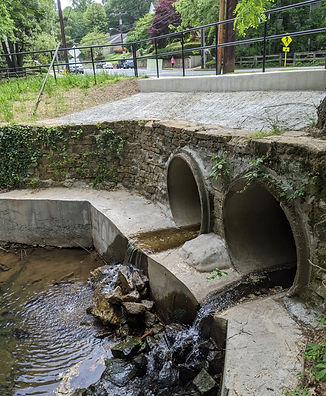


THE FLOW OF WATER AND SUPPORT OF HABITAT AT GULF BRANCH / POTOMAC HERITAGE TRAIL In Arlington, Virginia, storm water threatens to flood neighborhoods, and development interferes with biodiversity and non-human species migration. The local Parks Department has implemented a strategic plan to create and secure nature trails that include manmade/supplemented creeks, to collect naturally occurring water and storm drainage, and flow the water safely into the nearby Potomac River. I am concerned about water management in my city, including both flood control, and increasing rainwater catchment use, rather than depleting groundwater. I am also concerned about animal migratory patterns and the livability of diverse species among our own. I worry about the biodiversity and disruption of other species’ ecosystems with our own development, and I am concerned by the pollutants people use in their yards that also contaminates the water supply– particularly herbicides, chemicals associated with automobiles, and pesticides against the high populations of disease-carrying insects. Arlington Parks has employed the use of gray, green and blue infrastructure in the form of concrete and PVC drainage pipes, forest, and creek and storm water, as part of its strategic plan for providing excellent spaces for community access while stewarding natural resources. Consideration to allow naturally-occurring decay from fallen trees and leaves provides habitat for ground- dwelling creatures, and is realistic in terms of management resources available to maintain. The trails and creek provide wellness for the community, and a solution for water storage and runoff, in mitigation of climate threats related to flooding. Additionally, a “pollinator habitat" was installed and welcomed by the community, to provide education, community involvement, and increase biodiversity of local flora and fauna. My main concern about the creek is the water
quality. There are no fish in the creek and it is not advised people swim in the creek, though some children do. The animals that do drink from the creek are likely ingesting harmful contaminants. True integration would include benefit for animals and humans by filtering the water, especially since it flows into the Potomac River, where people do fish. I would love an organic, natural filtration system before the water hits the river, or before the pipes hit the creek. The design considerations for this system would require low maintenance, low visibility, quick filtration with frequent rainfall, and low risk of animal impediment. Additionally, the pollinator habitat solicits restoration from effects of a 2019 flood. I have reviewed and understood the core concepts of the course thus far and can identify the components of nature based solutions. The Urban Nature Atlas has been very helpful to connect the ways in which different cities and countries are making efforts to create change in addressing various, but similar, needs. I also appreciate the opportunity and encouragement to “dream bigger,” like the films suggest, and to use creativity to find solutions in creating a better (and survivable) world by first allowing ourselves to envision one.
The report broke down the findings of the study, and I found more perspective in identifying limitations often found politically. Importantly, it is most often local communities making the most difference in creating unique, timely, personal ways to curb climate change.